
Jules Heartly | December 2025
The Vital vs. The Virtual
There is something about winter afternoons in New York that makes me believe this is the only place I want to be. Yes, it is usually bitterly cold, but the colors in the sky are ever so beautiful and always so different. Various shades of pastels, light oranges, roses, and any shades of grey and blue you can imagine. The clouds play games creating shapes and figures—always changing, always amazing to look at.
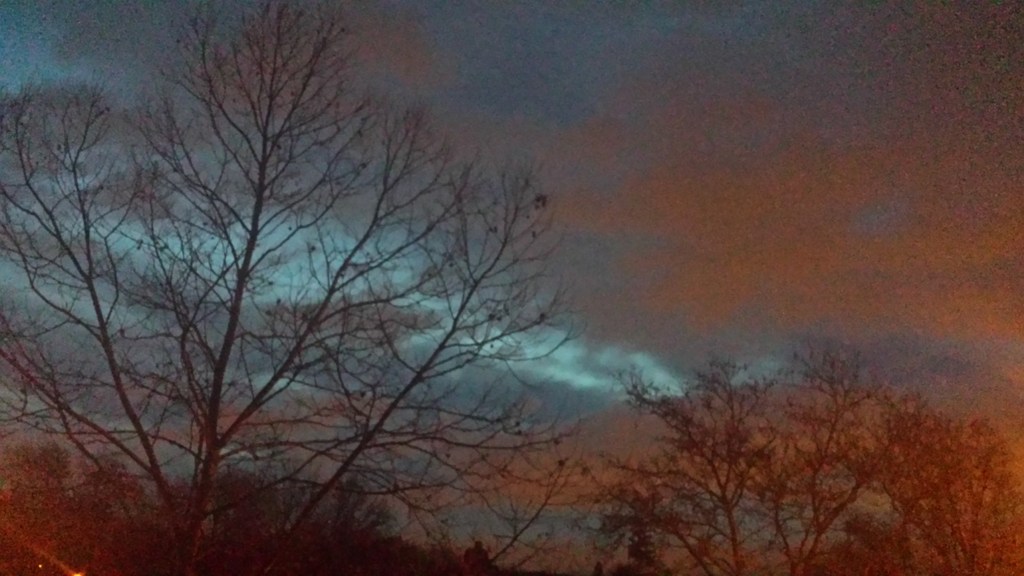
During a recent afternoon while admiring the sky show, I was listening to an interview with Lady Gaga on The Late Show, conducted by Stephen Colbert. It started light, with playful questions, and then wandered into deeper waters. There was one question that captivated my mind: “What is your earliest memory?”
As she hunted through hers, I was searching back through my own “hard disk,” hoping to pull a memory out of the attic that felt warm and pleasant—because, let’s face it, our brains tend to stash the not-so-good stuff on the back shelf, like forgotten boxes we’re not quite ready to open.
There I was, maybe five years old, reading a story about Moses being rescued from the Nile. We weren’t a strictly religious family, but we followed Catholic traditions and learned a little religious history in school. I pictured the scene: me on the floor or in a low chair, the page turning under my small fingers. My father leaned in, curiosity brightening his face. He took the book and, sentence by sentence, poured knowledge into the room—his expression shifting from serious to softly proud as I lit up with interest. Two stories are etched in my memory from that early chapter of life: Moses’s rescue and Pompeii’s eruption. The Pompeii moment will be a tale for another post.
You may have memories tied to a toy, a TV program, or a favorite game, but mine are built from reading, imagining, and replaying the scenes in my mind—almost as if I were re-watching a movie in a hidden theater inside my head. More often than not, those scenes were shared with a parent or a sibling, turning a quiet hour into a little festival of ideas.
There exists a magic about how the brain builds memory and nourishes imagination, and why reading aloud feels like a sacred ritual in childhood—like tending a garden where stories bloom into lasting memories. We live in a high-tech era, with AI and screens tugging at our attention like competing currents in a river. It can feel tempting to skip books in favor of quick distractions. But the magic isn’t really the book itself—it’s the story, the human bond, the creativity, the imagination—all awakened by turning pages together.
Reading itself is just part of the equation. “Discussing and reflecting on fiction—as opposed to just reading it—was linked to better mental health and social capabilities, including the ability to perceive nuances in interpersonal relationships,” said Dr. Carney, who authored the book The Power of Storytelling.
Unfortunately, Americans are reading less and less every day, and the books they do read are shorter. According to studies, attention spans have diminished, and the time invested in reading now competes with hours spent on social media.
We are somehow excelling at replacing the vital with the virtual, and the dangerous thing, I would say, is that children are missing out. Of course, the vital part I refer to is socialization via direct contact—physical presence, direct verbal interaction with a loved one or friend—as opposed to virtual connection. We’re trading the warmth of a shared book for the glow of separate screens.
The subject of socialization itself brings out another memory. A beautiful memory, I mean.
One that flickers to life each December, a time when Catholic tradition shaped our evenings. The nine-day countdown from December 16 to 24—reading aloud the story of Jesus’s conception and birth, singing Christmas carols, and sharing homemade instruments, warm voices, and joy.
During the days approaching the 16th of December, we, very young children, collected soda bottle caps, then hammered them flat, made a hole at the center, and strung them with wire. The final product was gloriously loud tambourines. Other kids made maracas with seeds and coconut shells, each instrument a small act of creation.

Then each night, starting on the 16th, most of the kids from our block gathered at someone’s house, and I was one of the children chosen to read aloud. The chapters were the same year after year, yet each telling felt new—like a beloved song that reveals different notes depending on who’s singing. One reader dressed the Three Kings differently, another swapped the donkey for a horse, and so on. Our imaginations never stopped weaving new threads into the old tapestry. We read, we imagined, we recreated the story anew each year.

On the last night, Christmas Eve, we’d nibble cookies and sip refreshments while a small present found its way to each child. I was the reader-aloud kid, and I often received a book as my reward. That gift let me read with my brothers and sisters, then shape our own version of the story, forging a new tradition and bonding us tighter than Gorilla Glue. A book, a memory, a family ritual—three strands braided into something lasting.
Reading creates memory landmarks, like signposts planted along the path of our lives. When we read, our brains link new information to existing networks, using imagery, emotion, and narrative context to help memories stick long after the last page. Think of a story as a memory-embedded seed that grows each time you revisit it.
It’s funny that Colbert’s question about earliest memories brought all of this flooding back. It reminded me of childhood friends I had forgotten, though they live on in those memories, in the stories we shared and the ones we lived.
Stories give one’s mind a playground: people, places, and problems you haven’t encountered become vivid possibilities in your head. Even subtle shifts—different names for a character, a changed setting—spark new worlds to explore, like opening doors in an endless mansion of imagination.
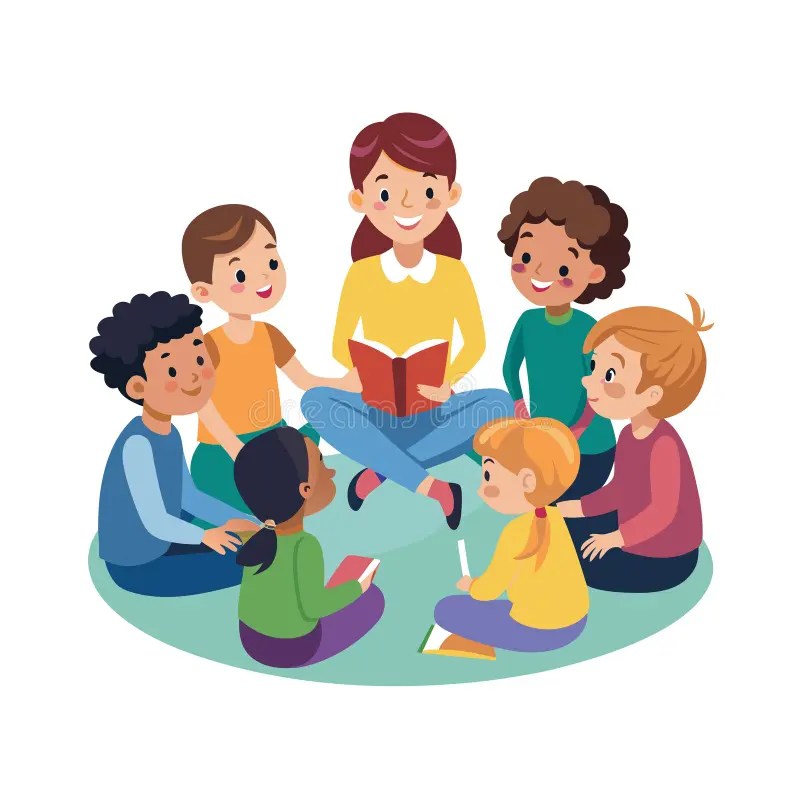
As Dr. Seuss said: “The more that you read, the more things you will know. The more that you learn, the more places you’ll go.”
Let’s go places! Right now, I have imaginatively swiped my credit card in the time machine, and I am back to polishing my homemade maracas and getting ready to play them while others sing holiday songs. I may get a book by Christmas Eve, but if I don’t, at least I’ll have had a lot of fun in great company.
My wish for you and all readers is simple: keep sharing a book with a friend, a sibling, a son or daughter, and make that reading time as special as the person you’re sharing it with.
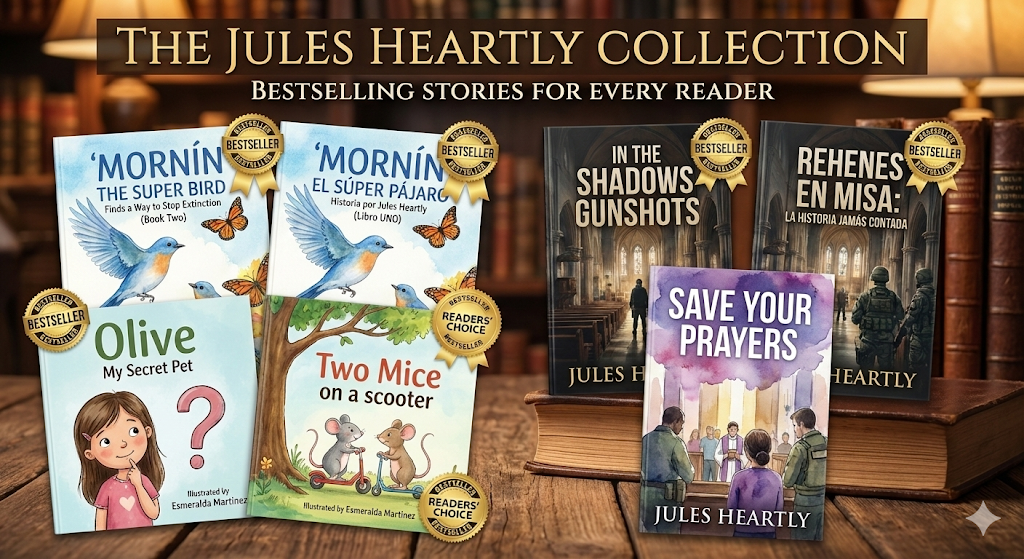
I have authored several children’s books , including this secret one, and novels, and I’m thrilled to share them with you, so you can pass them along, and keep the reading light burning.
In a world buzzing with devices and grappling with issues around AI toys, the quiet rhythm of reading aloud remains a beacon—a lighthouse guiding us back to what matters. It’s not just about the story on the page; it’s about the shared attention, the questions you ask together afterward, and the little rituals you invent—turning a simple book into a treasure chest of memory and imagination.
HAPPY HOLIDAYS! and thank you for reading my blog and sharing your thoughts with me. Let me know what are your earliest memories?
Remember to follow me on Social Media @JBRADIANT
 lifeinxxidotcom
I hope the holiday slowdown brings some of the ‘vital’ back for people, and gives the virtual a break…
LikeLike