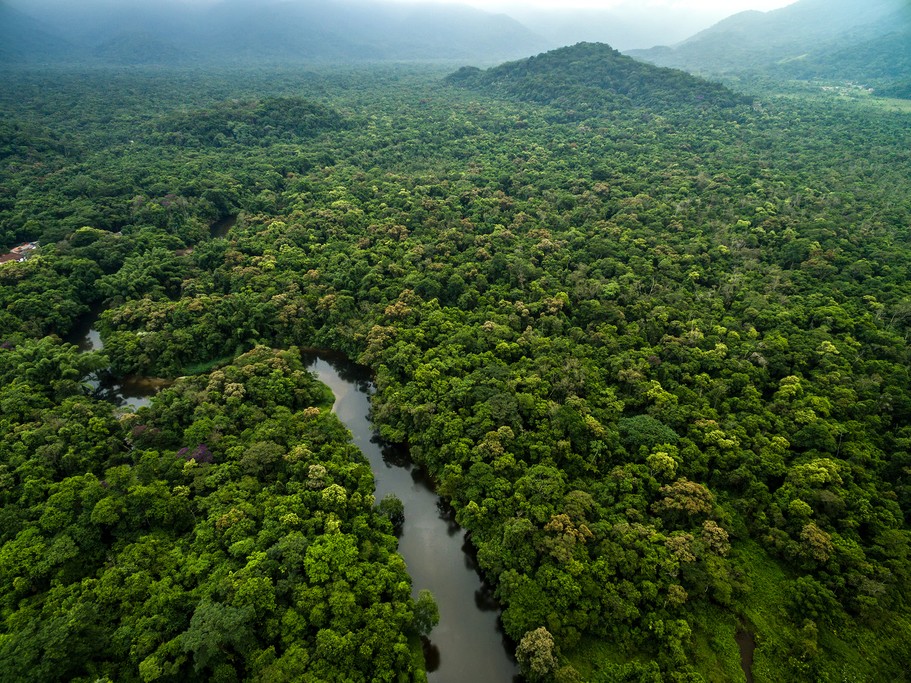
Indigenous Children Lost and Found in the #Amazon Were Escaping Violence In All Forms.
Jules Heartly | June 13th 2023
First were the notes glued to their door, then the verbal communication received through a third party, a store owner. There were also audio messages, and finally it was the call.
In the quiet Huitoto community in the Guaviare Region within the Amazon Jungle, Manuel Ranoque, an indigenous leader, who lived with his wife Magadalena Mucutoy Valencia and her four children, noticed an insistent call on his cell phone (yes, there are cell phones in this remote locations too!). He picked it up. It could have been a notification of an upcoming meeting with the other tribe members, but it wasn’t. The unfamiliar grave voice heard after the call was answered, promptly pronounced his death sentence. “We are going to go for you and kill you”.
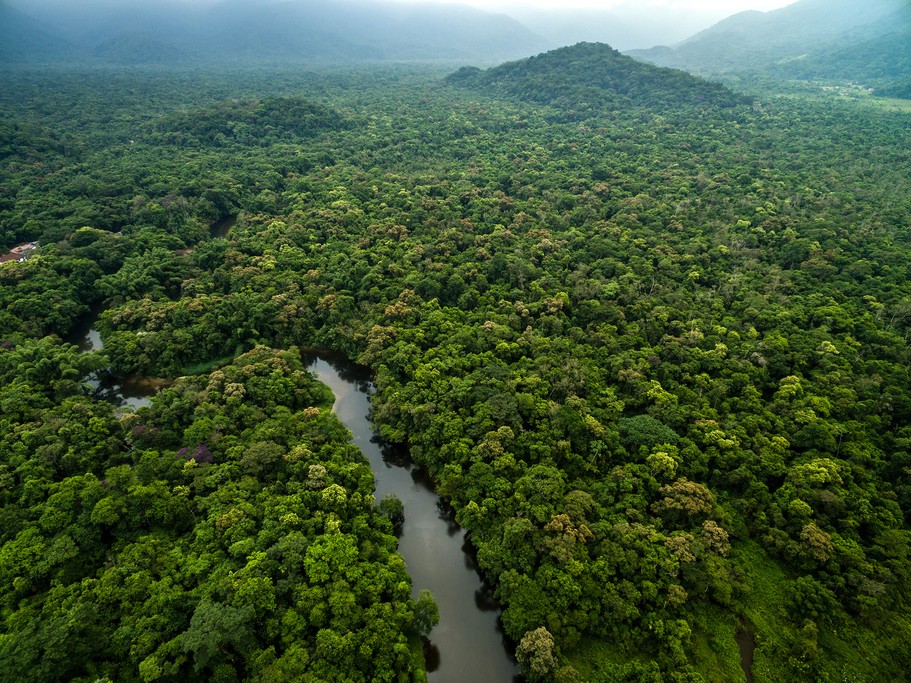
His blood ran cold, and an icy grip tightened around his heart. The tranquility of his life was fractured within moments.
After the call dropped, Trust became elusive, and he found himself questioning the intentions of those around him. The familiarity of his surroundings suddenly felt hostile and menacing. It was as if his sanctuary had been invaded, and the sense of security Manuel had built over the years had crumbled into ashes.
Most of those threatening calls, are of economic nature, in other words, they are of plain blackmail, demands for money in exchange for staying alive. But the one received by Manuel may have added elements like punishments or justice arraignment as new information shared points to episodes of domestic violence and attempts of sexual abuse, both acts listed as serious offenses under the guerrilla civil code.
In guerrilla’s territories (as this one is), they become the oppressor and the liberator. And wrongdoings as the ones emerging in the news regarding Manuel Ranoque, could be brought to them in request for justice. The guerilla could well exercise their ruling regarding issues like that or any other brought to their attention by the members of the communities they “share” the land with.
This zone without any federal or state presence or support, totally unreached, become a haven for the guerillas and drug & people traffickers, who after years of cohabiting on the same territory, have developed alliances to move more efficiently and to torment/conquer/use/abuse the already battled indigenous communities.
The weight of those words was temporarily suffocating, paralyzing his mind and body. Fear coursed through his veins, robbing him of rational thought and leaving behind a crippling sense of vulnerability. Every shadow seemed darker, every sound amplified, as if the world had transformed into a sinister place.
He didn’t know for sure what was the reason behind the threat. He knew there was a threat! and that was enough!
The decision was taken quickly. He had to leave that remote village part of the Huitoto territory as soon as possible. (The Huitoto Uitoto, Witoto o Murui-Muinane are a indigenous community that lives mostly in the amazon jungle within the Colombian states of Amazonas, Caquetá and Putumayo , as well as the Peruvian border).
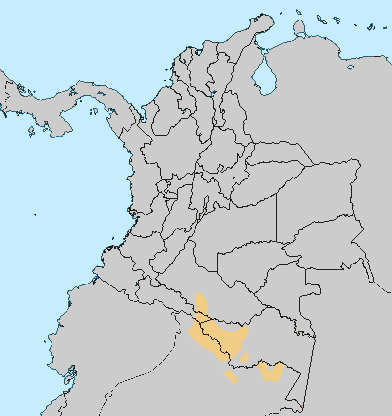
An overnight escape from a remote village with no infrastructure, no roads, and reachable only by navigation in the meandering rivers or by air taxis using small planes – usually not legally allowed to flight due to their condition- rendered successful for Manuel. He left to a location initially undisclosed even to his own wife, Magdalena.
After a series of additional trips from his first unknown location, he managed to get to the town of Villavicencio and then to the Colombian capital, Bogota. There, he struggled with the contrast of a sprawling city filled with high-rise buildings, busy streets, and a constant flow of people, a stark contrast to the quiet and serene atmosphere of its rural town. It took him several days to get acquainted with other indigenous refuges and to establish contacts that will lead him to find a place to live with his family.
During this process, his priorities changed, as a relationship with another woman developed and his interest in bringing his family out of the Huitoto territory diminished. As days passed by, this love affair made him brave enough to return back to the community of Puerto Sabalo with no fears of being confronted by his wife Magdalena, and of being reminded of his supposed death sentence at the hands of guerilla groups.
At his arrival, Magdalena’s heart shattered like if made of fine crystal but she was determined not to let it be smashed like cheap glass. She and her four children, including the few-months old Cristin, moved out to live with her brother and his family.
Some time later, perhaps after being reminded again of the life threat Manuel was under (still to be confirmed), Manuel once again in a very quiet way, overnight ,left the indigenous community without a trace. No one knew where he was, but he left Magdalena, the mother of his two children, a phone number where she could reach him.
Despite the circumstances(being a victim of Domestic violence, physical and verbal), and of Manuel’s love affair, Magdalena was hopeful of reuniting with her husband. She was aware of the risk young teenagers (sons and daughters of peasants or of indigenous parents) face in a guerrilla dominated territory, a no man’s land where there isn’t any state presence whatsoever.
She had probably witnessed abductions or forced enlistments by dissident armed groups or even by smugglers, who greatly benefit by the knowledge, the know-how of the territory that these youngsters possess. Her oldest daughter Lesly, 13, was in prime for being a forced recruit.
These Amazonian natives not only are savvy to move around in the jungle, but understand well the forest cycles, its fauna and flora, what to eat, what to avoid, and how to cure themselves when nature’s knowledge requires a new lesson or when their bodies get in contact with forbidden plants, bitten by mosquitoes or attacked by other animals.
Survival skills in these territories are key for the guerrilla and contrabandists mission’s/business success, therefore the indigenous are their best prey.
Magdalena Mucutuy was not only hopeful of a safer life, even with her not-so-great-husband, but she wanted to conserve and protect her family as a whole, as a unit, after all she had an infant besides her three other children.
On the 29th of April 2023, she carried out her community duties as usual, and even assisted at the tribe meeting as scheduled. When she returned home to her children, at her brother’s house, her cell phone rang. . .
She checked the number.
It was him! Manuel.
Magdalena moved out to find a place where she couldn’t be heard. She whispered. And he probably told her what she was waiting to hear. To grab the kids and go and meet him in another city far away from there. To do it quietly. To do it fast! He probably added “Our lives are in danger there”.
She knew taking the decision she was considering was probably a mistake. But if she didn’t act then, she would never know. She had to take her chances. So she agreed to take an air-taxi to the next town and continue traveling from there until they meet again. She would take a small plane from a site nearby, with a small dirt runway, where only the most daring pilots dare to land.
The indigenous leader Hermán Mendoza Hernández, got worried about Magdalena when she confided her plans to him, deciding to accompany Magdalena and her four kids on her sudden “adventure” from Araracuara.
Her safety and that of her children were their first priority.
She packed a light bag with Farina (Cassava flour), water bottle, a baby bottle and other things she would carry for a short trip with her kids. She didn’t tell anything to her brother or to her family. It had to be a secret for now (She probably planned to tell them later, once she arrived at her destination).
And all the details still are secret because as the whole world now knows, the small plane carrying her, her four kids and two more people, crashed in the early hours of May 1st 2023 in the Amazon jungle in Colombia, South America. The three adults (including Magdalena) died almost instantly and the saga of the four kids, 40-day deambulation of a few km in the diameter surrounding the site of the plane crash, was one of miracle survival.

Thanks to the protection by their spiritual guides, their intelligence, the ancestral knowledge imparted to the children since the age of three, their desire to stay alive and their faith to persist, their story can now be told by themselves.

A saga that lasted longer than it should’ve. If it wasn’t because of their inner/psychological/traumatic fear of being found by the guerrillas, their learned distrust of the military personnel , whom they never experienced being protected by and whom also couldn’t be differentiated from the guerrilla since they both wear military uniforms and carry arms, the four children could have let themselves be found. They heard them. They saw them. But they hid!
They wanted to be found/rescued but not by the people known to them as their enemies. The same people they thought they were escaping from. The same story lived by other indigenous people, also by farmers, peasants, teachers, etc who have been escaping for decades, due to the same violence, usurpation of properties, etc. to other parts of Colombia or to other parts of the world.
It was only when indigenous people participating in the “Operation Hope” in the search for the children saw and approached them when the children felt compelled to talk and accept their help. These rescuers immediately notified the Colombian armed forces that were nearby actively participating in the effort, using their code word: MIRACLE.
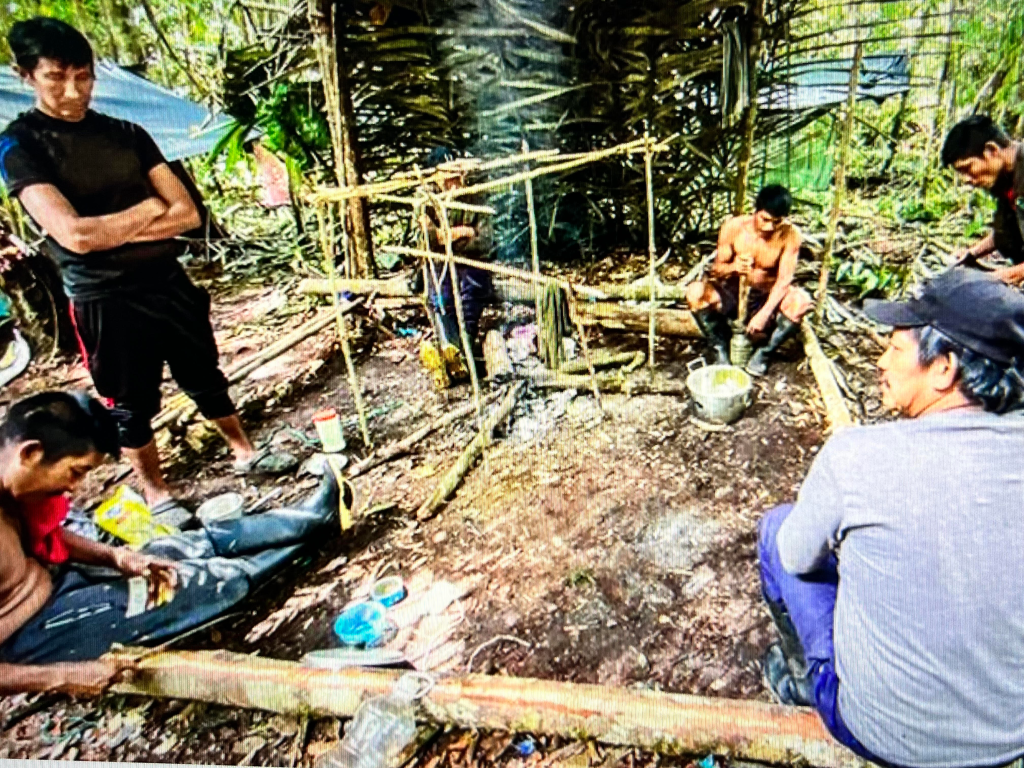
Picture taken by Salud Hernandez-Mora
The fearful story of these children, the terror that almost cost them their lives, reminded me of the stories of way to many Colombian families (or individuals) and also Central-American families who had fled their countries for similar reasons, or have been forced to migrate out after receiving “The threatening phone call” , the communication, the pamphlet, Some migrated from their rural communities to the big cities, living their land and homes behind, others have gone even further leaving the country, looking for a better future in places like the U.S or Spain (just to mention a couple).
This whole thing, brought back to my mind, the story of a family I met in Spain. They had migrated from Colombia, after receiving a call demanding a ridiculous amount of money in exchange for sparing the lives of their children. The emotional turmoil that followed was immense. Anxiety became their constant companion and the simplest tasks became herculean challenges. Sleep eluded them as their mind replayed the threatening words over and over again. The thought of putting their loved ones in danger sent shivers down their spines. Every step outside their house became a treacherous journey, where they felt a target, constantly looking over their shoulders, wondering if the person responsible for the threat was lurking in the shadows. They couldn’t live like that!
After receiving the call, within a matter of days, they had left the country, leaving everything behind, their home with all their belongings. They arrived in Spain with nothing but a few pieces of clothing, their education, and the faith of having left it all in exchange for a peaceful life in their new country. In exchange for staying alive.
Remembering the day when their telephone rang, with their hands trembling when recalling the memory, they wondered, What could’ve happened if they never answered the phone calls?
Would the blackmail had stopped? Would their callers have given up? Would they had assumed it was a wrong number?
“Who knows?”
The father of the family, Ricardo, now a resident of Spain says, as I moved forward, I still carry the scars of that emotional turmoil, but I refuse to let fear rule my life. My kids got a good education and they are professionals now. I established a business here. I am thankful.
But Do Not Be Fooled. That is not the Cinderella story of many others like the ones trying to cross the border to the U.S or the many that have died in their intent not only there but in Europe.
I hope despite the terrible fate of Magdalena Mucutuy, the mother of the four Children lost and found in the Colombian Amazon jungle, their incredible ordeal ends on the positive side of the balance, protected, educated, loved and with the chance to live a childhood, and the good life they truly deserve.
I hope this true story which brought in front of the world’s eyes a glimpse of the lives of the indigenous people in Colombia (and other places around the world) brings up a movement by the Colombian Government to provide a much needed infrastructure to these communities. To provide education, economic means and better quality of living, perhaps by promoting legal sources of income like ecotourism or agriculture.
The indigenous community currently subsists by activities like hunting, fishing, fruit gathering, consumption of invertebrates and agriculture(Sweet cassava, banana, tobacco, chontaduro, avocado among others).
Their belief in the synergy between nature and man, which translates into the pride of being “jungle people”, in harmony with terrestrial, aquatic and celestial beings has proven to bear fruits like the miracle of four kids surviving forty (40) days in the deep jungle of the Amazon. But they are constant victims of violence, one that they keep hoping ends soon. Their hope being renewed now that the ELN has agreed with the Colombian government to a cease of fire. But the guerrillas are not their only assailants. And as long as they continue to be the forgotten people, they would be a vulnerable community.
As we await for more information on the true story of the threats received by Manuel, the one that apparently triggered the whole story of the plane crash, and the sad departure from this life of three people which triggered the orphanhood of (at least) four children, we could say two things for sure:
One call, One communication, a single phone call, may change the life course of an entire family in a good or in a very dramatic painful way.
Two, the tenacity of these #FourIndigeneous children, the knowledge imprinted by their ancestral community, their amazing #survival skills, their believe and respect for the jungle, for nature, taught us a lesson.
Each one of us will remember it as a different one. But still it will be remembered.
Thank you for reading and sharing my blog. I would love to read your thought on this particular subject.
Remember to follow me on Twitter and Instagram @JBRadiant
 lifeinxxidotcom
The children are so resilient and admirable, it breaks my heart to think they saw people who were trying to find them but didn’t feel like they could trust them. These children surviving 40 days alone in the jungle and with a baby less than a year old is so admirable, their knowledge and respect of the jungle saved them.
LikeLike
I had heard about the 40 days but didn’t know how it all started… wow!
LikeLike